
The Financial Safety Net for Small Business
In the energetic, often chaotic world of Small and Medium Enterprises (SMEs), success is fundamentally dependent on innovation, customer loyalty, and operational efficiency. However, even the most brilliantly run small business is constantly exposed to a wide array of unpredictable and potentially fatal financial shocks that can strike without warning. These shocks can arise from common events like unexpected weather damage to physical property or more complex modern challenges such as a major liability lawsuit filed by a disgruntled customer or an employee.
Many small business owners are understandably focused primarily on cash flow and rapid growth. They often view insurance merely as a grudging regulatory requirement or an optional annual expense to be minimized. This narrow perspective tragically ignores the true, deeper function of commercial insurance. It is not simply a transactional cost, but a strategic financial defense mechanism for the entire enterprise.
Properly structured, commercial insurance acts as a vital, robust safety net. It protects the personal wealth of the founders, preserves job security for employees, and most critically, ensures the continuity of the business itself after a severe, unexpected loss event. Without this shield, a single major accident, lawsuit, or natural disaster can easily bankrupt an otherwise thriving and profitable enterprise.
Phase One: Building the Foundation of Protection
Every SME needs a core set of foundational insurance policies that address the most common and pervasive business risks encountered daily. These risks include the loss of physical assets, premises liability exposures, and the welfare of all employees.
For the majority of small businesses, the most cost-effective and efficient way to secure these essential coverages is through a single, bundled contract known as a Business Owner’s Policy (BOP).
A. Business Owner’s Policy (BOP)
The BOP is a simplified, packaged policy designed specifically for smaller, lower-risk companies in certain industries. It efficiently bundles the three most critical coverages into one streamlined and often discounted contract for simplicity.
-
Commercial Property Coverage: This protects the vital physical assets of the business operation. It covers the building (if owned), inventory, office equipment, furniture, and any specialized machinery used for daily operations.
-
General Liability Coverage: This provides the essential financial defense against claims from all third parties. It covers bodily injury (like a slip-and-fall accident) and property damage that occurs on the business premises or arises directly from operations.
-
Business Interruption Coverage: This is a vital component that replaces lost income following a severe loss. It pays for necessary continuing expenses when a covered property loss forces the business to temporarily shut down or relocate.
B. General Liability (GL) Essentials
General Liability is arguably the single most critical policy for protecting the SME’s financial stability from legal action and devastating lawsuits. It provides a defense against non-professional, accidental injury and property damage claims from the public.
-
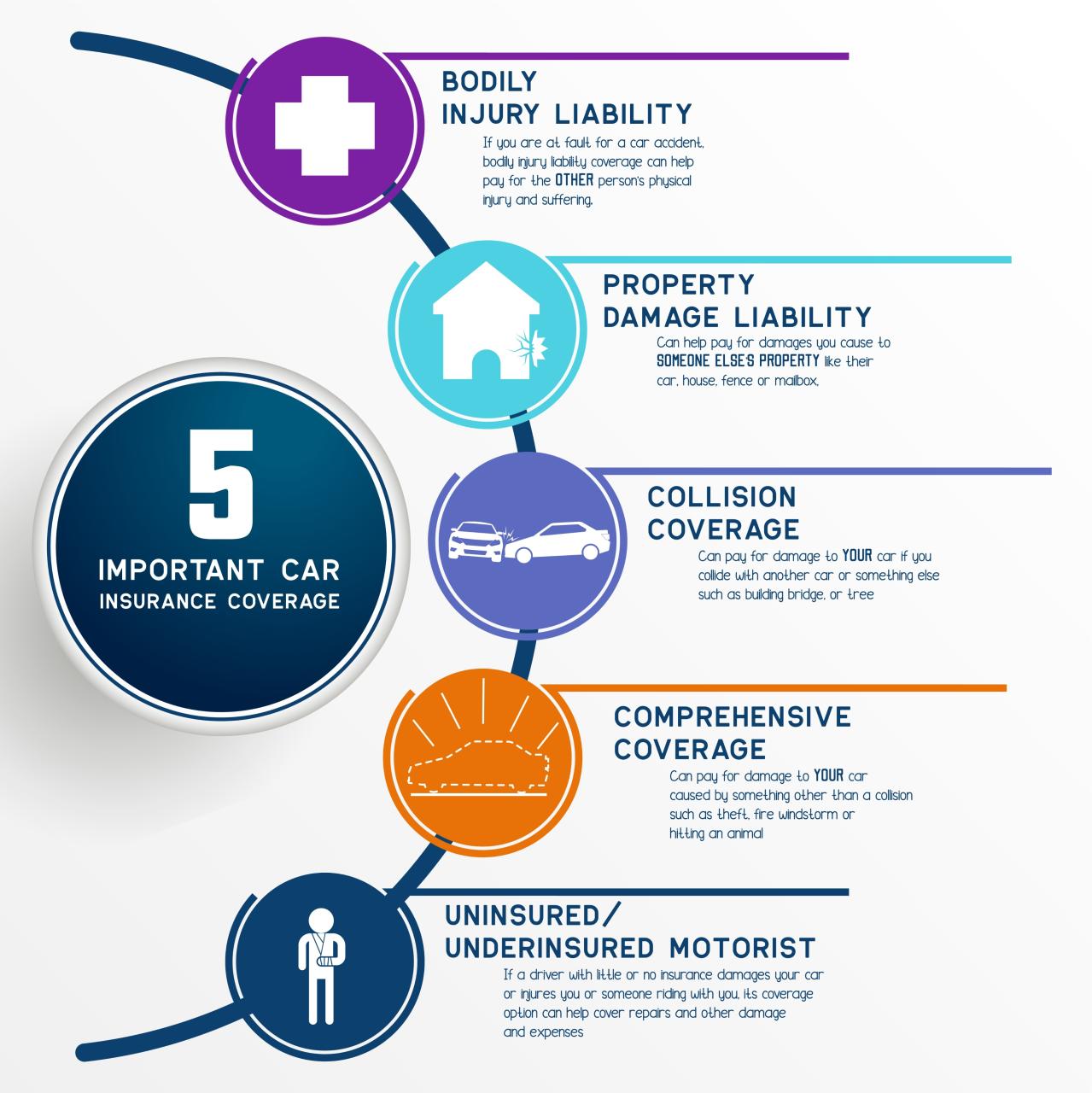
Bodily Injury Liability: This pays for medical expenses, legal fees, and settlement costs if a customer or visitor is injured on the premises. This is triggered by a sudden, accidental physical harm.
-
Property Damage Liability: This covers the cost if the business or its employees accidentally cause damage to a third party’s physical property. This often occurs when performing work or service at a client’s location.
-
Products-Completed Operations: This specialized coverage protects the business after a product has been sold or a service has been formally completed. It covers liability if the finished product or completed work later causes injury or damage.
C. Workers’ Compensation Insurance
Workers’ Compensation is a mandatory, state-regulated insurance program for nearly all employers across the country. It provides essential benefits to employees who suffer job-related injuries or illnesses while performing their duties.
-
Statutory Requirement: Compliance with state Workers’ Compensation laws is non-negotiable and strictly enforced. Failure to carry it can result in severe financial fines, stop-work orders, and personal liability for the business owners.
-
Medical Costs and Lost Wages: The policy pays for all necessary medical treatment for the injured worker’s recovery. It also provides a portion of their lost wages during the period they are medically unable to return to work.
-
Employer Liability Shield: In exchange for providing this no-fault benefit system, the law generally shields the employer from direct negligence lawsuits filed by the injured employee. This is a critical financial protection for the company.
Phase Two: Advanced and Operational Risks
As SMEs grow, their operations become more complex, often involving vehicles, specialized equipment, and the provision of professional advice. These expanding activities introduce new, higher-level risks that exceed the narrow scope of the foundational BOP.
Dedicated, specialized insurance policies are necessary to cover these evolving operational exposures fully and cost-effectively, ensuring no dangerous gaps exist.
D. Commercial Auto Policy
Any vehicle used regularly for business activities—whether a fleet of delivery vans or a single contractor’s truck—must be covered by a dedicated commercial policy. Personal auto policies will not cover business-related claims and will deny payment.
-
Higher Liability Limits: Commercial vehicles require much higher liability limits than personal cars typically carry. Businesses are correctly perceived to have “deep pockets,” making them prime targets for severe, high-value personal injury lawsuits.
-
Physical Damage Coverage: This provides collision and comprehensive coverage for the business-owned vehicles themselves. It pays to repair or replace the vehicles after an accident, fire, or theft incident.
-
Hired and Non-Owned Auto (HNOA): This crucial endorsement covers the business’s liability exposure that occurs off its books. This arises when an employee drives their personal car for a work task (non-owned) or when the business rents a vehicle (hired).
E. Professional Liability (Errors & Omissions)
For SMEs that provide expert advice, design services, or technical consultation, Errors and Omissions (E&O) coverage is absolutely essential. It covers financial losses stemming from mistakes, poor advice, or alleged professional negligence.
-
Financial Harm Claims: E&O is triggered by claims that the professional failed to deliver the promised service or made a mistake that caused the client a quantifiable monetary loss. This is the core of the coverage.
-
Defense Costs: Like GL, E&O provides the specialized legal defense necessary to fight the claim vigorously in court or arbitration. This is often the largest financial component of a professional lawsuit, regardless of the ultimate verdict.
-
Industry Specifics: This coverage is mandatory for IT consultants, web designers, accountants, architects, real estate agents, and marketing agencies. Their primary product is their expertise and advice.
F. Commercial Umbrella Liability
A Commercial Umbrella policy provides a critical additional layer of protection, sitting financially above the limits of the primary liability policies. It is specifically designed to handle catastrophic, high-dollar claims.
-
Excess Coverage: It provides an extra layer of liability coverage (typically starting at $1 million) that activates only once the underlying limits of the GL, Commercial Auto, or Employer’s Liability policies have been completely exhausted.
-
Severe Claims Defense: It protects the SME’s entire asset base from the devastation of a “nuclear verdict”—a multi-million dollar judgment resulting from a severe accident or systemic negligence case.
-
Broadening Effect: The Umbrella can sometimes provide minor coverage enhancements to fill small, obscure gaps in the underlying policies. However, its main value lies in providing massive, necessary excess limits.
Phase Three: Modern and Specialized Exposures
Modern business operations, regardless of size, face complex, specialized risks that traditional policies entirely exclude from coverage. These include the massive liabilities associated with data privacy, employment disputes, and physical assets away from the main location.
Ignoring these specialized risks is the fastest way for an SME to incur unbudgeted, massive financial losses in today’s digital and legally complex environment.

G. Cyber Liability and Data Breach
Every SME that handles customer data, uses a website, or processes payments is exposed to severe cyber risk. Standard GL policies explicitly exclude these digital threats and associated costs.
-
First-Party Costs: This covers the direct expenses the SME incurs immediately after a data breach incident. This includes forensic investigation, mandatory customer notification, credit monitoring services, and system restoration costs.
-
Third-Party Liability: It covers the expensive lawsuits filed by customers or regulatory bodies. These suits allege that the SME failed in its duty to protect private, sensitive data, leading to financial harm.
-
Ransomware Response: This covers the extensive costs associated with recovering from a destructive ransomware attack. This often includes paying the ransom (if necessary) and the income lost due to system downtime.
H. Employment Practices Liability (EPLI)
This policy protects the business against lawsuits filed by current, former, or prospective employees. These suits allege wrongful actions by management or staff and constitute a rapidly growing area of costly litigation for small employers.
-
Wrongful Termination: This covers claims alleging the employee was fired illegally, perhaps due to retaliation, discrimination, or violation of an implied contract of employment.
-
Discrimination and Harassment: It defends the business against claims alleging unlawful discrimination based on protected classes (age, race, gender, etc.) or severe workplace harassment.
-
Defense Costs: EPLI is financially crucial because it provides the necessary defense costs. The legal cost to fight an employment lawsuit is extremely high, even if the business is ultimately found innocent of the allegations.
I. Inland Marine Insurance
Despite the historical name, Inland Marine (IM) is a property policy that covers highly mobile equipment, tools, and inventory. It provides essential coverage for assets that are frequently moved away from the main insured location.
-
Tools and Equipment Floater: This is essential for contractors, plumbers, and electricians whose gear is constantly mobile. It covers their high-value, specialized gear if it is stolen from a job site, a storage locker, or a company vehicle.
-
Installation Floater: This covers materials and equipment intended for a specific project or installation. It provides protection while they are in transit to the site and during the entire installation process until completion.
-
Goods in Transit: This covers the business’s inventory or raw materials while being shipped or transported by common carrier (truck or rail) between the supplier, the warehouse, and the final customer destination.
Phase Four: Financial Strategy and Risk Control
Effective risk management for an SME involves more than just buying policies at a minimum cost. It requires a continuous, proactive strategy of loss control and meticulous policy maintenance to optimize costs and minimize long-term exposure.
SMEs that actively invest in safety and rigorous documentation enjoy significantly lower premiums and much greater stability when inevitable losses occur.
J. Understanding the Deductible and Limits
The deductible and policy limits are the two critical financial components of any insurance policy. SMEs must choose limits that realistically reflect their potential maximum loss exposure, not just their annual budget.
-
Deductible: This is the fixed dollar amount the business must pay out-of-pocket for any covered loss before the insurance policy starts paying out. A higher deductible often means a lower annual premium cost.
-
Policy Limit: This is the absolute maximum amount the insurer will pay for a single loss or all losses within a policy year (the aggregate limit). This crucial amount should be set high enough to cover the worst-case, most severe scenario.
-
Risk Retention: Choosing a higher deductible is a calculated form of risk retention. The SME agrees to absorb a larger portion of small, frequent losses to achieve premium savings, freeing up capital for necessary growth.
K. The Role of Loss Control Services
Most commercial insurance carriers offer free or subsidized expert loss control and risk management services to their clients. SMEs should actively utilize these valuable resources to their full advantage and benefit.
-
Safety Audits: Insurers provide expert consultants who inspect the premises, review fleet records, and audit operational procedures. They proactively identify specific hazards before they lead to an accident.
-
Claims Reduction: Proactive safety training and physical hazard remediation directly reduce the frequency and severity of claims. This, in turn, helps maintain a favorable Experience Modification Rate (E-Mod) for Workers’ Comp premiums.
-
Best Practices Guidance: Loss control experts help the SME implement industry best practices for safety, physical security, and regulatory documentation. This creates a powerful culture of lower risk throughout the entire organization.
L. Avoiding the Pitfall of Underinsurance
Underinsurance is one of the most common and disastrous financial mistakes made by SMEs. It occurs when the policy limit is set dangerously too low to cover the full financial consequences of a major loss event.
-
Replacement Cost Value (RCV): Property and equipment should always be insured for their current RCV. This pays the cost to replace the item with new materials of similar kind and quality, without deducting any depreciation.
-
Inflationary Increases: SMEs must regularly review property limits and increase them annually as needed. This ensures the limits keep pace with the rising costs of construction and material inflation across the market.
-
Business Income Projections: Interruption coverage limits should be based on a realistic projection of lost income for a period long enough to fully rebuild and resume normal operations. This total recovery period can easily exceed 12 months.
M. Annual Policy Review and Broker Partnership
Insurance needs change rapidly as an SME grows, hires staff, leases new space, or enters new markets of operation. The policy must be treated as a dynamic document, not a static contract that sits in a file.
-
Material Change Reporting: Any significant operational change—moving locations, purchasing a large piece of equipment, or hiring staff in a new state—must be reported to the insurer immediately. Failure to report can void coverage.
-
Broker Consultation: The insurance broker should be viewed as a professional risk management partner, not just a salesperson selling a product. Regular, detailed meetings ensure the policy structure remains optimized for the current operational reality.
-
Documentation of Assets: Maintaining a meticulous, off-site inventory list of all equipment, furniture, and high-value tools is essential for a quick claim. This dramatically speeds up the claims process after a major loss event and prevents disputes.
Conclusion

Commercial insurance is the fundamental financial backbone protecting any Small or Medium Enterprise. The Business Owner’s Policy bundles essential property and general liability coverage. Workers’ Compensation is legally mandated. This protects the business from employee injury lawsuits. Commercial Auto is non-negotiable for fleet operations. Professional Liability shields service firms from mistakes and negligence claims. Cyber Liability addresses the significant, modern risks of data breaches and system downtime.
The Umbrella Policy provides an essential layer of protection against catastrophic financial judgments. Active Risk Management and strong loss control efforts directly lower the long-term cost of coverage. Businesses must commit to Annual Policy Reviews and maintain Replacement Cost Value limits to avoid the danger of underinsurance. Insurance is the vital strategic investment that ensures the SME can weather any sudden shock and continue its journey toward long-term success.