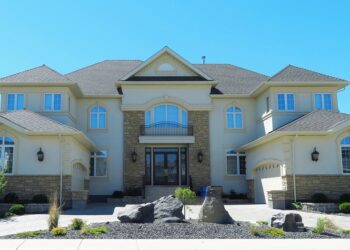


The Cornerstone of Financial Resilience
For most people, owning a home represents their single largest and most significant financial asset. It is more than just a structure; it’s the physical, financial, and emotional foundation of a family’s life. However, this massive investment is constantly exposed to a variety of unpredictable and potentially devastating risks.
These risks range widely, from sudden, catastrophic fires to severe weather events and complex legal liabilities. Without a robust and comprehensive property insurance policy, years of diligent savings and accumulated equity could be completely wiped out in a single, unexpected afternoon. This form of insurance acts as the essential first line of defense.
It is a contractual shield that strategically transfers the overwhelming financial burden of recovery from the homeowner to a stable, prepared financial institution. Understanding the layered components of this protection is absolutely non-negotiable for responsible ownership. It ensures the continuity of one’s financial life and guarantees that a temporary disaster does not become a permanent ruin, making property insurance the true cornerstone of long-term financial resilience.
Decoding the Homeowners Policy (HO-3)
The standard homeowners policy, often referred to by its industry code, HO-3, is a multifaceted contractual document. It is designed to cover two main, critical areas of risk: damage to your physical assets and legal liability arising from property ownership.
Understanding the four core coverage sections—A, B, C, and D—is essential. This clarity allows for matching your policy limits precisely to your actual financial exposure. The HO-3 form is typically an “open perils” policy for the dwelling, offering broad protection unless an exclusion applies.
A. Coverage A: The Dwelling Structure
This is the most critical section of the entire policy, defining the financial limit for rebuilding the main residential structure. This limit must accurately reflect the current local cost of construction, not the property’s lower market value.
- The Main House: Coverage A pays for damage to the physical house itself, including the foundation, walls, roof, and all permanently attached systems. This covers wiring, plumbing, and central heating systems.
- Attached Fixtures: Any structures permanently attached to the main house are also included under this limit. Examples include an attached garage, a built-in deck, or an enclosed, permanent porch.
- Replacement Cost Focus: The coverage should always be based on Replacement Cost Value (RCV). This is the amount needed to rebuild the structure new, without deducting for depreciation over time.
B. Coverage B: Other Structures
This section provides a separate, distinct financial limit for structures located on the property that are not physically connected to the main dwelling. This is crucial for comprehensive property protection across the entire lot.
- Detached Buildings: This covers structures like detached garages, standalone workshops, storage sheds, and pool houses. They must be physically separated from the main home by a clear space or fence line.
- Fencing and Drives: Other protected fixed assets include permanent fences, perimeter walls, paved driveways, and permanent walkways on the property. These contribute to the overall property value.
- Standard Limit: Coverage B is generally set at 10% of the Coverage A limit. This percentage can be adjusted upward if the property has particularly large or expensive detached structures, like a large barn or guest house.
C. Coverage C: Personal Property (Contents)
This coverage protects the financial value of the entire inventory of personal possessions inside the home. This includes everything owned by the occupants, from large furniture pieces to small kitchen utensils and electronics.
- Anywhere in the World: Personal property coverage is unique because it often follows the owner globally. It may cover the theft of items from a hotel room or luggage lost while traveling overseas.
- Replacement Cost Upgrade: While the standard policy often defaults to Actual Cash Value (ACV) for contents, upgrading to RCV is highly recommended. RCV ensures full funding for new replacements without depreciation.
- Sub-Limits and Scheduling: Homeowners must be aware of restrictive internal limits on high-value items like jewelry, furs, cash, and firearms. These items require a special endorsement, called a floater, for full, adequate coverage.
D. Coverage D: Loss of Use and ALE
This vital coverage provides immediate financial relief if a covered disaster renders the home uninhabitable for a period of time. It covers the necessary, unplanned expenses of living elsewhere temporarily.
- Additional Living Expenses (ALE): Coverage D pays for expenses that are strictly above and beyond the homeowner’s normal monthly budget. This includes hotel stays, necessary restaurant bills, and temporary laundry service fees.
- Rental Income Protection: If the homeowner rents out a basement apartment or guesthouse, this coverage replaces the lost rental income. It pays this lost revenue during the period the rental unit is being repaired.
- Time or Dollar Limit: The coverage is always subject to a maximum dollar limit or a set time frame, such as 12 or 24 months. This guarantees financial stability during the complex repair and recovery phase.
Essential Liability and Legal Shield
The second, equally vital component of property insurance is the Liability Coverage. This protects the homeowner against the catastrophic financial risk of lawsuits arising from property ownership or personal actions.
A large legal judgment can swiftly erase home equity and liquidate other personal assets. This makes this liability coverage non-negotiable for all property owners.
A. Coverage E: Personal Liability Protection
This is the primary financial shield that protects the insured against claims for bodily injury or property damage. These claims are filed when the insured is found legally responsible for an accident. It is the core defense mechanism.
- Bodily Injury Claims: This covers costs if a guest is injured on the property due to a safety hazard or the owner’s alleged negligence. It also covers incidents caused by pets, like documented dog bites.
- Property Damage Claims: This covers the costs if the insured accidentally causes damage to another person’s property. An example is a tree falling from the insured’s yard onto a neighbor’s expensive fence or shed.
- Legal Defense Obligation: Critically, the insurer is contractually obligated to provide and pay for legal defense counsel and all associated court costs. This defense is provided even if the resulting lawsuit is ultimately found to be groundless or entirely false.
B. Coverage F: Medical Payments to Others
Separate from the main liability coverage, this small, “no-fault” provision is designed for quick resolution of minor injury claims. It helps prevent small incidents from unnecessarily escalating into costly lawsuits.
- No-Fault Payments: This coverage pays for a guest’s necessary medical costs (up to a small limit, often $1,000 to $5,000) regardless of who was technically at fault for the accident.
- Quick Resolution Tool: The primary goal is to quickly cover initial expenses like urgent care or emergency room visits. This is done to prevent the injured party from needing to hire an attorney and file a formal liability claim.
- Excluding Residents: Coverage F explicitly excludes the policyholder and all family members living in the household. It is strictly reserved for non-residents who are accidentally injured while on the insured property.
C. Umbrella Liability: Extending Protection
For homeowners who have accumulated significant financial assets (equity, savings, investments), the standard liability limit on the homeowners policy is often severely insufficient. An Umbrella Liability Policy provides a necessary, cost-effective solution for higher limits.
- Excess Coverage: An umbrella policy provides a substantial additional layer of protection, typically starting at $1 million. It only activates after the limits of the underlying homeowners and auto policies have been completely exhausted.
- Broader Perils: Umbrella policies often cover a wider scope of personal liability risks beyond property ownership. This may include liability for actions such as libel, slander, or false imprisonment, which are excluded from the base policy.
- Asset Security: This high-limit coverage is essential for protecting the homeowner’s entire net worth. It prevents a catastrophic legal judgment from liquidating decades of careful financial accumulation.
Navigating Exclusions and Endorsements
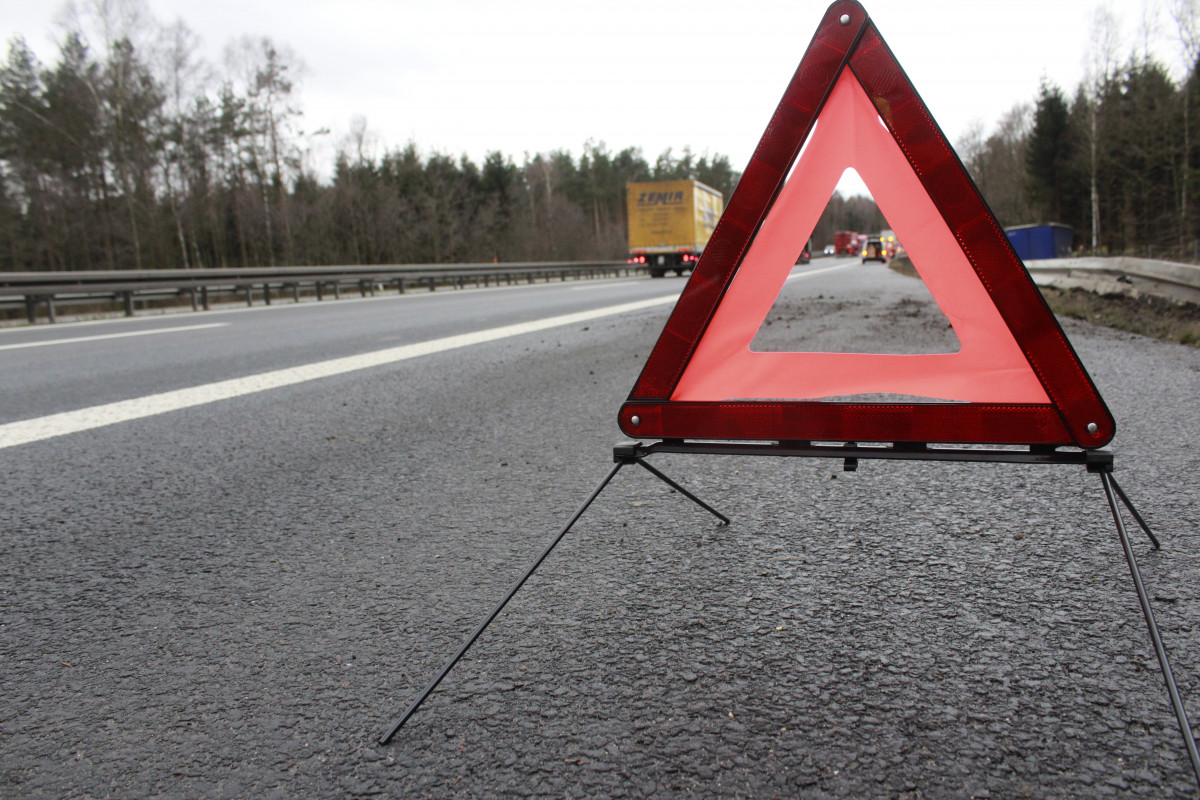
The HO-3 policy offers broad coverage but is fundamentally defined by critical exclusions—perils it explicitly will not cover. Understanding these exclusions is paramount, as they often involve the most financially devastating natural disasters.
Homeowners must proactively purchase specialized endorsements or separate, standalone policies to fill these serious, unprotected coverage gaps.
A. The Three Major Catastrophe Exclusions
Across the entire insurance industry landscape, three massive, concentrated perils are universally excluded from standard homeowners contracts. These high-risk events must be insured separately with specialized products.
- Flood Damage: Damage caused by rising water from external natural sources, such as overflowing rivers or coastal storm surges, is never covered by the base policy. Flood insurance must be purchased separately, often through the government’s NFIP.
- Earth Movement: Damage from the shifting, sinking, or shaking of the earth, including earthquakes, landslides, and sinkholes, is explicitly excluded. Earthquake coverage must be added via a specific, costly endorsement.
- War/Nuclear Hazard: Losses resulting from wartime actions, insurrection, or nuclear events are deemed fundamentally uninsurable. This is due to the massive, unpredictable scale of the potential damage they pose.
B. The Crucial Water Damage Distinction
Water damage is a leading cause of claims for property owners, but the policy only covers damage that is sudden and accidental. Gradual or preventable water damage is systematically excluded from the contract.
- Covered Damage: This includes water damage from a sudden pipe burst, an accidental overflow of a washing machine, or water intrusion from a sudden, covered event like a roof failure due to hail.
- Excluded Damage: This includes water damage resulting from neglect, lack of maintenance, or gradual seepage through the foundation over a long period. Mold and fungus related to long-term neglect are also typically excluded.
- Sewer Backup Endorsement: Damage caused by water backing up through exterior sewers or drains is a very common and costly exclusion in the base HO-3 form. Homeowners must purchase a specific Sewer Backup Endorsement to cover this high-frequency risk.
C. Insuring High-Value Personal Property
Standard policies impose low, often restrictive internal dollar limits (sub-limits) on certain specific categories of valuable personal property. This is done regardless of the overall contents limit purchased.
- Jewelry and Furs: Sub-limits for jewelry, often around $1,500 to $2,500 total, are generally inadequate for most modern collections. These items require special attention and separate coverage.
- Cash and Firearms: Cash, precious metals, and firearms also have severely restricted sub-limits built into the contract. This is designed to limit the insurer’s liability for easily lost or stolen liquid assets.
- Personal Articles Floater: To fully insure these items, they must be individually listed or scheduled on a separate endorsement called a personal articles floater. This provides RCV and broader “all-risk” coverage for the specific scheduled item.
Valuation, Claims, and Financial Management
Property insurance is a complex contract that requires active management by the homeowner. The homeowner must understand the complex rules governing claim valuation, the process of recovery, and the penalties for underinsuring the structure.
Proper policy management ensures that the policy functions exactly as intended at the precise moment it is needed most after a disaster.
A. Actual Cash Value (ACV) vs. Replacement Cost (RCV)
These are the two fundamental methods legally used to determine the payout amount for damaged property. The difference between them is massive and directly impacts the homeowner’s out-of-pocket financial burden.
- Actual Cash Value (ACV): ACV pays the current cost to replace the item minus a deduction for depreciation from age and wear. This always results in a lower payout, forcing the owner to cover the difference out-of-pocket.
- Replacement Cost Value (RCV): RCV pays the full, current cost to repair or replace the damaged item or structure with new materials of like kind and quality. This is the financially superior and preferred option.
- RCV for Dwelling: Homeowners must always ensure their dwelling (Coverage A) is insured on an RCV basis. Using ACV for the structure can result in ruinous financial consequences after a total loss.
B. The Risk of Underinsurance (Co-Insurance Clause)
Most policies contain a co-insurance clause, which acts as a penalty provision for insuring the home for less than its true rebuilding cost. This is arguably the most dangerous financial trap in property insurance.
- 80% Requirement: The policy usually requires the dwelling to be insured for at least 80% (or sometimes more) of its estimated full replacement cost. This is a contractual obligation the homeowner must fulfill.
- Financial Penalty: If the home is severely underinsured below the required percentage, the insurer will apply a penalty to any partial loss claim. The claim payout will be significantly reduced, forcing the owner to cover a much larger portion of the repair costs.
- Annual Review: Homeowners must review their limits annually and increase them regularly. They must keep pace with rising local construction costs to avoid the potentially devastating co-insurance penalty.
C. The Claims Process and Documentation
When a loss occurs, the speed, accuracy, and completeness of the documentation provided by the homeowner are vital. These factors are crucial for achieving a smooth and fair claim settlement process.
- Immediate Notification: The insurer must be notified of the loss as soon as reasonably possible to start the claims process and assign a field adjuster. Delays can sometimes compromise the claim.
- Mitigation of Damage: The homeowner has a contractual duty to take immediate, reasonable steps to prevent further damage. This might include covering a damaged roof with a tarp or shutting off the main water supply after a pipe bursts.
- Inventory and Proof: For property losses, the homeowner must provide a detailed inventory, supported by photographs, videos, and receipts. This documentation accurately proves ownership and the actual value of the items claimed.
Specialized Policies for Unique Structures
Property insurance is not a one-size-fits-all product for every situation. Different types of residences, such as condos and mobile homes, require specialized policy forms. These forms address their unique ownership and specific risk profiles.
Selecting the wrong policy type can easily lead to critical, costly coverage gaps and disputes over responsibility after a loss event.
A. Condo Owners Policy (HO-6)
Condo owners face a “shared wall” risk and must purchase an HO-6 policy. This policy is necessary to properly supplement the master policy carried by the Homeowners Association (HOA). This policy is specifically designed for individual unit owners.
- Interior Walls and Fixtures: The HO-6 policy covers the interior walls, flooring, fixtures, appliances, and all owner-made improvements within the unit. The master policy typically only covers the exterior and common areas.
- Contents and Liability: Like a renters policy, the HO-6 covers the owner’s personal property (Contents C) and their personal liability (Liability E) exposure.
- Loss Assessment Coverage: A critical feature of the HO-6 is coverage for special assessments. This pays the unit owner’s share of costs levied by the HOA following a complex-wide loss that exceeds the master policy’s limits.
B. Renters Insurance (HO-4)
For those who rent apartments or houses, the HO-4 Renters Policy is absolutely essential. It is the only coverage that truly protects the tenant’s interests, as the landlord’s policy offers zero protection to the tenant’s belongings.
- Tenant’s Contents: The HO-4 covers the renter’s personal property (Contents C) against covered perils like fire, theft, and wind damage. The landlord’s policy does not cover these items.
- Tenant’s Liability: This crucial coverage shields the renter from liability lawsuits arising from accidents within the unit. It also covers the high cost of legal defense.
- Displacement Costs: The policy includes Additional Living Expenses (ALE) coverage. This pays for the renter’s temporary housing costs if the rental unit becomes uninhabitable due to a covered loss.
C. High-Value and Specialized Policies
For homes that are new, custom-built, or particularly high in value, the standard HO-3 policy may not provide adequate protection. This often prompts the need for a higher-grade, superior policy form.
- HO-5 Form: This superior policy form provides “All-Risk” (Open Perils) coverage for both the Dwelling and the Personal Property. The standard HO-3 typically provides only “Named Peril” coverage for contents, which is more restrictive.
- Guaranteed Replacement Cost: High-value policies often offer this superior endorsement. It guarantees the insurer will pay the full cost to rebuild the structure, even if that cost exceeds the policy’s stated limit due to post-disaster price spikes.
- Specialized Carriers: Owners of high-end homes often use premier carriers that specialize in complex, high-value risks. These policies feature higher limits, broader endorsements, and specialized, white-glove claims handling.
Conclusion

Property insurance is the absolute foundation of any secure financial plan. The policy successfully transfers the massive, unpredictable financial risk of home ownership. This risk includes damage to the structure, personal belongings, and major liability claims. Core coverage protects the Dwelling and Other Structures. It also covers the value of Personal Property inside the home. Critical liability coverage protects the homeowner. It pays for legal defense and settlements following accidents.
Understanding key exclusions is essential. Standard policies do not cover major perils like Flood or Earthquake. Separate, specialized policies or endorsements are required for these risks. Homeowners must actively manage their policy. They must ensure the coverage limit reflects the full current Replacement Cost. This protects against dangerous Underinsurance after a total loss. Whether you are a homeowner, a renter, or a condo owner, securing the right policy is a necessary step. It is the ultimate safeguard for preserving accumulated personal wealth.