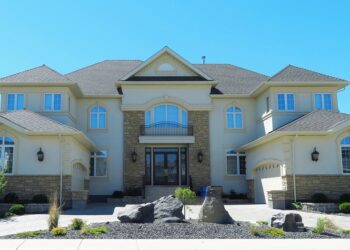


Owning high-value real estate is a significant achievement that represents both personal success and a powerful vehicle for generational wealth. However, as the value of a property increases, so does the complexity of the risks associated with maintaining and defending that asset. True protection goes far beyond simply paying a monthly premium for a standard homeowners policy. It requires a sophisticated, multi-layered strategy that addresses legal vulnerabilities, physical hazards, and market fluctuations. Investors and luxury homeowners must navigate a landscape filled with litigious threats, natural disasters, and evolving regulatory requirements.
A failure to secure comprehensive protection can result in catastrophic financial loss that ripples through an entire investment portfolio. This guide is designed to provide a high-level roadmap for those who demand the highest standards of security for their physical holdings. We will explore the integration of specialized insurance, legal structures, and advanced risk management techniques. By the end of this analysis, you will understand how to transform a vulnerable piece of property into a fortified financial fortress.
The Structural Foundation of Asset Security

The first step in protecting high-value real estate is establishing the correct legal ownership structure. Many owners make the mistake of holding title in their own names, which exposes them to personal liability.
A. Utilizing Limited Liability Companies (LLCs)
Holding property within an LLC can shield your personal assets from lawsuits related to the property. If an accident occurs on-site, the claimant’s reach is generally limited to the assets held by that specific legal entity.
B. The Role of Family Offices and Trusts
For ultra-high-net-worth individuals, placing real estate into an irrevocable trust provides an extra layer of privacy and protection. This can also simplify the transfer of the asset to heirs while minimizing estate taxes.
C. Jurisdictional Advantages in Property Holding
Some regions offer stronger privacy laws and asset protection statutes than others. Selecting the right jurisdiction for your holding company can significantly deter frivolous litigation.
Specialized Coverage for Luxury Residences
Standard insurance policies often have “caps” or limits that are far too low for high-end properties. Specialized high-value homeowners insurance is a necessity for luxury assets.
A. Guaranteed Replacement Cost Coverage
In the event of a total loss, standard policies might only pay up to the stated limit. Guaranteed replacement cost ensures the insurer pays whatever it takes to rebuild your home to its original quality, even if costs have surged.
B. Cash Settlement Options
High-value policies often allow owners to take a cash payout instead of rebuilding. This provides the ultimate flexibility for investors who may prefer to move their capital elsewhere after a disaster.
C. Appraisal and Valuation Accuracy
Unique architectural features and custom finishes require specialized adjusters who understand luxury materials. Regular professional appraisals ensure that your coverage limits keep pace with the actual cost of high-end construction.
Mitigating Liability in Commercial Real Estate
Commercial properties carry a different set of risks, primarily centered around third-party injuries and business interruptions.
A. General Liability and Umbrella Policies
A basic liability policy is rarely enough for a commercial building with high foot traffic. An umbrella policy provides an additional layer of millions of dollars in coverage that sits on top of your primary limits.
B. Environmental and Pollution Liability
If your property is found to have contaminated soil or water, the cleanup costs can be staggering. Specialized environmental insurance protects you from the long-term financial fallout of unexpected ecological issues.
C. Cyber Liability for Smart Buildings
Modern high-value buildings are integrated with IoT devices and building management systems. Cyber insurance is now essential to protect against hackers who could disable security or hold building data for ransom.
Protecting Against Catastrophic Natural Disasters
As global weather patterns become more volatile, protecting real estate from the elements requires proactive engineering and specialized financial products.
A. Flood and Excess Flood Insurance
Many owners don’t realize that standard policies exclude flood damage. For high-value assets, an “excess flood” policy is often needed to cover the full value beyond what the government-backed programs provide.
B. Windstorm and Hail Resilience
In coastal or storm-prone areas, premium insurers often require specific structural upgrades. Installing impact-resistant windows and reinforced roofing can lower your premiums while physically securing the asset.
C. Earthquake and Seismic Endorsements
For properties in high-risk zones, seismic coverage is a critical but expensive addition. It is often structured with a percentage-based deductible, which requires careful financial planning.
Advanced Security and Loss Prevention Technology
The best way to handle a claim is to prevent it from ever happening. High-value property owners are increasingly turning to technology to act as a first line of defense.
A. Smart Water Leak Detection Systems
Water damage is the leading cause of non-catastrophic property claims. Automated shut-off valves can detect a pinhole leak and close the main water line before any major damage occurs.
B. Integrated Security and Surveillance
Sophisticated AI-driven cameras can distinguish between a neighbor’s pet and a genuine intruder. These systems often integrate directly with private security firms for an immediate physical response.
C. Fire Suppression and Early Detection
Beyond simple smoke detectors, high-value homes benefit from specialized gas-based fire suppression in server rooms or kitchens. These systems extinguish fires without the water damage associated with traditional sprinklers.
Managing Risk for Short-Term Rental Portfolios
Many high-value owners use their properties as short-term rentals to generate income, but this creates unique legal and insurance challenges.
A. Specialized Host Liability Coverage
Standard homeowners insurance usually excludes commercial activity like Airbnb or VRBO. You must have a policy that specifically covers transient guests to avoid a denied claim.
B. Loss of Use and Rental Income Protection
If a fire makes your rental property uninhabitable, you lose more than just the building; you lose the revenue. This coverage replaces that lost income during the months the property is under repair.
C. Screening and Damage Security Protocols
Implementing high-tech guest screening and noise monitoring can prevent damage before it starts. Some insurance providers offer discounts for owners who use these proactive management tools.
Professional Management and Maintenance Risks
The people who maintain your property can also be a source of significant liability if they are not managed correctly.
A. Workers’ Compensation for Domestic Staff
If you employ housekeepers, gardeners, or estate managers, you may be legally required to provide workers’ comp. Without it, a single workplace injury could lead to a massive personal lawsuit.
B. Vetting Third-Party Contractors
Always demand a certificate of insurance from any contractor working on your property. This ensures that their insurance—not yours—is responsible for any mistakes or accidents they cause.
C. The Importance of Preventative Maintenance Logs
Keeping detailed records of roof inspections, HVAC servicing, and plumbing checks can be vital during a claim. It proves that you have not been negligent in the upkeep of the asset.
Understanding Tax Implications and Insurance
Insurance and taxes are deeply intertwined when it comes to high-value real estate investment and protection.
A. Deductibility of Premiums for Investment Property
If your property is an investment, the insurance premiums are usually a deductible business expense. This lowers your effective cost of protection while increasing your net cash flow.
B. Casualty Loss Tax Deductions
In some cases, if you suffer an uninsured loss from a disaster, you may be able to claim a deduction on your federal taxes. Proper documentation from your insurance adjuster is key to securing this benefit.
C. Estate Tax Planning for Real Estate
High-value property can create a massive tax bill for your heirs. Using life insurance to “fund” the estate tax can prevent your family from being forced to sell the property to pay the government.
The Role of Reinsurance and Private Placement
When a property is worth tens of millions, it may exceed the capacity of a single insurance company.
A. Layered Insurance Programs
Large risks are often “layered,” where one company covers the first million, and several others cover the “excess” layers. This spreads the risk across multiple global institutions.
B. Captive Insurance Entities
Some large-scale real estate investors create their own insurance companies to cover their risks. This allows for total control over claims and the potential to profit from unused premiums.
C. The Surplus Lines Market
Unique or ultra-high-risk properties are often insured through the “surplus lines” market. This market has more flexibility in pricing and policy terms than the standard “admitted” market.
Negotiating Premium Reductions for High-End Assets
You should never overpay for protection. There are several ways to reduce your costs without sacrificing the quality of your coverage.
A. Increasing Deductibles Strategically
If you have a significant cash reserve, taking a higher deductible can lead to massive premium savings. This essentially makes you “self-insured” for small, manageable losses.
B. Bundling Personal and Commercial Lines
Many insurers will offer a discount if you move your entire portfolio—home, auto, and business—to their platform. This also reduces the risk of coverage gaps between different policies.
C. Investing in Resiliency Upgrades
Insurers love “hardened” properties. Adding a backup generator, a permanent storm shutter system, or a lightning rod can make your property much more attractive to underwriters.
Conclusion

Maximizing protection for high-value real estate requires a blend of legal strategy and specialized insurance. Individual owners must prioritize the separation of personal and business assets through LLCs or trusts. Standard insurance policies are usually insufficient for the unique needs of a luxury or commercial asset. Guaranteed replacement cost is a vital feature that protects you against the rising price of construction materials. Proactive risk management involves using modern technology to stop accidents before they become expensive claims.
Liability is the greatest threat to a real estate portfolio and must be managed with high-limit umbrella policies. Natural disasters are becoming more frequent, making specialized flood and wind coverage more important than ever. Smart home technology serves as a valuable first responder that can minimize the severity of any physical damage. Managing domestic staff and contractors requires a clear understanding of workers’ compensation and liability laws. Tax-efficient strategies allow you to protect your wealth while minimizing the costs of maintaining your property.
Reinsurance and layered programs are necessary for properties that exceed the capacity of standard market insurers. Strategic negotiations with underwriters can lead to lower premiums for owners who invest in property resilience. A well-maintained maintenance log is a powerful tool when it comes time to settle a complex insurance claim. Privacy is a form of protection, and holding property in a trust can deter potential litigants from targeting you. Cybersecurity is an emerging frontier in property management that requires modern insurance solutions. Investors must view insurance premiums as a necessary investment in the longevity of their financial legacy. Total asset protection is a continuous process of review and adjustment as the market and the world change.