
The Necessity of Comprehensive Home Protection
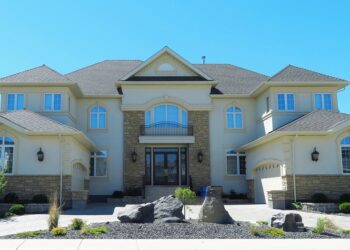
Acquiring your own home is an immense and exciting milestone, often representing the culmination of years of hard work and dedicated saving. It is, simultaneously, the single largest investment many people will ever make in their lifetime. This fact makes its financial security an absolute necessity.
Homeowners insurance is the crucial financial contract designed specifically to protect this massive investment from a myriad of unforeseen perils. Without this protection, a sudden, catastrophic event like a fire, severe storm, or a devastating liability lawsuit could instantly erase your equity and plunge your family into severe debt. The policy acts as an indispensable, comprehensive financial buffer.
It strategically transfers the potentially ruinous financial risk of such disasters from your personal finances to a much larger, financially stable insurance company. Understanding exactly what your policy covers and, equally important, what it specifically excludes, is not just a formality required by your mortgage lender. It is a necessary act of due diligence that ensures your family’s most valuable asset and personal liability are shielded against life’s unpredictable hazards.
Deconstructing the Policy Structure
A standard homeowners insurance policy is structured into distinct, lettered categories of coverage. These categories collectively address the three main risk areas associated with property ownership. These risks are damage to the physical structure, loss of personal possessions, and financial liability to others.
Understanding these sections is key to confirming that you have adequate limits for each area of risk exposure. The typical base policy in the US is an HO-3 form, offering broad coverage for the dwelling and specific named peril coverage for contents.
A. Coverage A: Protecting the Dwelling
This is the most critical part of the entire policy. It covers the primary physical structure of the home itself. This limit must be carefully calculated and monitored to avoid the devastating financial pitfall of underinsurance.
- The Main Structure: Coverage A pays to repair or rebuild the home’s physical components from the ground up. This includes the foundation, walls, roof, permanent plumbing, wiring, and permanently installed fixtures.
- Attached Structures: This essential coverage extends to any structures that are directly attached to the main house. Examples include an attached garage, a permanent sunroom, or a permanently built-in deck.
- Replacement Cost Basis: For the policy to truly protect your investment, the Coverage A limit should be based on the estimated replacement cost of the home. This is the amount required to rebuild it entirely with materials of like kind and quality at current market prices.
B. Coverage B: Other Structures on the Premises
This section is dedicated specifically to protecting structures that are located on your property but are not physically attached to the main dwelling. The coverage limit is typically a set percentage of the main dwelling limit.
- Detached Buildings: This includes common structures like a detached garage, a storage shed, a separate workshop, or a pool house. It ensures these secondary buildings are financially protected from covered perils.
- Fences and Gazebos: Other protected external assets include permanent fixtures on the land, such as perimeter fencing, paved driveways, patios, and built-in outdoor features like a permanent gazebo.
- Standard Limit: The coverage provided under Section B is often automatically set at 10% of the Coverage A limit. This percentage can usually be adjusted upward if the homeowner has particularly expensive or numerous detached structures that require more coverage.
C. Coverage C: Insuring Personal Property
This crucial coverage protects the financial value of the contents inside your home, often referred to as your personal belongings. This includes virtually everything you would take with you if you moved, from clothing to electronics and furniture.
- Anywhere in the World: Personal property coverage typically follows you and your family globally. If your luggage is stolen from a hotel room across the country, your policy may still cover the loss, subject to your deductible.
- Replacement Cost Upgrade: While the standard HO-3 policy offers Actual Cash Value (ACV) for contents by default, it is highly recommended to upgrade to Replacement Cost Value (RCV). RCV pays the full cost of a new item, not a depreciated one, which aids recovery.
- Sub-Limits: It is crucial to be aware of specific, low internal sub-limits written into the policy contract. These limits apply to high-value items like jewelry, firearms, cash, and fine arts. These valuable items often require a separate endorsement, or “floater,” to be fully covered.
D. Coverage D: Loss of Use and Living Expenses
This essential coverage activates if a covered loss renders your primary home temporarily uninhabitable. It pays for necessary expenses incurred while you and your family are forced to live elsewhere during repairs.
- Additional Living Expenses (ALE): Coverage D pays for expenses that are strictly in addition to your normal, customary living costs. This includes hotel stays, necessary increased transportation costs, and restaurant meals exceeding a normal grocery budget.
- Rentals: If you are a landlord and a covered event makes your rental property uninhabitable for tenants, this coverage conveniently replaces the lost rental income while the repairs are being completed.
- Time or Dollar Limit: This coverage is usually subject to a maximum dollar limit or a time limit, such as 12 months. It ensures you have critical financial support during the repair or necessary rebuilding process.
Essential Liability and Medical Protection
The second major pillar of homeowners insurance protects your financial stability from potential legal action. Liability coverage defends you against lawsuits for bodily injury or property damage caused by you, your family members, or your property itself.
This protection is arguably the most vital part of the policy. It prevents a catastrophic financial judgment from liquidating your personal assets and potentially garnishing your future earnings.
A. Coverage E: Personal Liability Protection
This is the central defense against devastating lawsuits that can arise from property ownership. It covers the costs associated with legally defending you in court and paying any judgment against you, up to the policy limit.
- Bodily Injury: This covers the financial costs if someone is accidentally injured on your property. For example, a visitor slips and falls on an icy walkway or is unfortunately bitten by your family dog.
- Property Damage: This covers the financial cost if you or a family member accidentally damage someone else’s property. An example is a child accidentally breaking a neighbor’s expensive glass window during a game.
- Global Coverage: Your personal liability coverage often extends and follows you beyond your home property boundaries. If you accidentally injure someone while traveling or playing sports, the policy may still provide defense and coverage.
B. Coverage F: Medical Payments to Others
This smaller, “no-fault” section of the policy is specifically designed to pay quickly for minor medical expenses. It covers costs incurred by non-residents who are accidentally injured while on your insured property.
- No-Fault Feature: This coverage pays medical bills regardless of who was legally or technically at fault for the accident. It is intended to quickly handle minor injuries without escalating to a formal liability claim.
- Immediate Care: It covers the cost of immediate necessary medical, surgical, X-ray, or dental services provided to the injured person. This is often capped at a low limit, such as $5,000, to keep it simple.
- Policy Exclusion: This coverage specifically excludes any residents of your household, including you and your family members. Its sole purpose is to quickly address minor injuries to external guests or visitors.
C. Umbrella Liability: Maximizing Legal Defense
For anyone with significant accumulated assets, the standard liability limit, usually around $300,000 to $500,000, on a homeowners policy is frequently inadequate. An Umbrella Liability Policy is the necessary and responsible solution for higher-net-worth individuals.
- Excess Coverage: The umbrella policy provides a substantial additional layer of liability protection, typically starting at $1 million. It only activates once the limits of the underlying homeowners and auto policies are completely exhausted.
- Broadened Protection: Umbrella policies often cover a wider scope of perils and actions than the standard homeowners policy alone. This may include liability for actions such as libel, slander, and false arrest, which are usually excluded from the base policy.
- Asset Protection: This high-level coverage is absolutely essential for protecting your entire net worth from unforeseen events. It shields your savings, investments, and future earnings from a massive, financially crippling legal judgment.
Exclusions and Hidden Risks

A homeowners policy is often referred to as an “all-risk” policy for the dwelling structure. This means it covers everything unless specifically excluded in the contract. However, the list of standard exclusions is critically important and includes many common and potentially devastating disasters.
Failure to address these major exclusions through separate endorsements or specialized policies leaves catastrophic and unprotected coverage gaps in your financial plan.
A. The Universal Exclusions You Must Address
Three major, high-cost perils are almost universally excluded from all standard homeowners policies across the entire insurance industry landscape. These expensive risks require proactive and separate action from the homeowner.
- Flood: Damage caused by rising water from natural sources, such as rivers overflowing their banks or coastal storm surges, is never covered. Flood insurance must be purchased separately, often through the government’s NFIP program.
- Earth Movement: Damage from earthquakes, landslides, mudslides, and sinkholes is generally explicitly excluded from base policies. Coverage for earth movement must be added via a specific, separate endorsement or a standalone policy.
- War and Nuclear Hazard: Losses resulting from declared or undeclared war, insurrection, or nuclear events are not considered insurable risks. These are considered risks too large and unpredictable for private insurance carriers to cover.
B. Water Damage: The Key Distinction
Water damage is one of the most frequently filed claims by homeowners across the country. However, the policy makes a crucial, important distinction between sudden, covered damage and gradual, excluded damage.
- Covered Water Damage: This typically involves damage that is explicitly classified as sudden and accidental in the policy wording. Examples include a pipe bursting instantly, a water heater failing catastrophically, or a sudden leak from a dishwasher or washing machine.
- Excluded Water Damage: This involves damage that is classified as gradual and preventable through routine maintenance. This includes water seepage through the foundation over time, damage from neglected maintenance, or water backups from exterior sewers or drains.
- Sewer Backup Endorsement: Damage caused by water backing up through exterior sewers or drains is a common and costly exclusion in base policies. Homeowners should proactively purchase a separate Sewer Backup Endorsement to cover this frequent risk.
C. The Internal Limits on Valuable Assets
Standard policies place low financial limits on certain sensitive categories of personal property. This often leads to a severe financial surprise and disappointment at the time of a loss. These limits are far below the actual replacement value of many homeowners’ possessions.
- Jewelry and Firearms: The standard policy might only cover a total of $1,500 for the entire collection of jewelry and perhaps $2,500 for all firearms combined. This amount is often insufficient for even one high-value piece.
- Cash and Securities: Cash, bank notes, negotiable securities, and precious metals also have extremely low internal limits. This wisely reinforces the need not to store large sums of cash or highly liquid assets inside the home.
- Scheduled Personal Property: To fully protect high-value items, they must be individually listed and insured on a separate endorsement called a personal articles floater. This provides full value RCV and broader “all-risk” protection.
Valuation Methods and Loss Settlement
When a claim is eventually filed, the insurance company uses specific valuation methods to determine the total payout amount. Understanding these methods is absolutely essential for predicting the financial outcome of a major loss.
The choice between Actual Cash Value and Replacement Cost Value significantly dictates the speed and completeness of your financial recovery after a disaster.
A. Actual Cash Value (ACV)
ACV is the basic, less favorable valuation method used in many base policies. It is often applied by default to personal property unless an upgrade is specifically purchased by the homeowner.
- Depreciation Deduction: ACV calculates the current cost to replace the item, then subtracts an amount for accumulated depreciation, wear, and tear. This important deduction leaves the homeowner with a lower total payout.
- Out-of-Pocket Expense: Because the payout is reduced by depreciation, the homeowner must use their own savings to cover the gap. This gap is the difference between the ACV payment and the actual cost of buying a new replacement item.
- Undesirable for Contents: ACV is generally undesirable for personal belongings. It makes replacing an entire inventory of used furniture and electronics much more expensive for the family after a major loss event.
B. Replacement Cost Value (RCV)
RCV is the superior and preferred valuation method that most astute homeowners choose. It covers the full cost of restoration or replacement without any deduction for depreciation.
- Full Restoration: RCV ensures the policy pays the full amount needed to repair or rebuild the home structure or replace the personal property with new items of similar kind and quality.
- Higher Premiums: Policies with RCV coverage do have slightly higher premiums than those with ACV. However, the complete financial protection provided by RCV makes the extra cost a vital and worthwhile investment.
- Rebuilding Requirements: The insurer may initially pay an ACV amount, holding back the depreciation until the repair work is actually completed. This procedure ensures the funds are used properly for the necessary reconstruction.
C. The Co-Insurance Clause and Penalties
Most policies include a Co-insurance clause, which acts as a contractual requirement for the homeowner. It demands that the dwelling be insured for at least 80% of its full replacement cost. This is a critical rule to obey contractually.
- Penalty for Underinsuring: If the homeowner insures their home for less than the required 80% threshold, they face a severe financial penalty at the time of a partial loss claim. The insurer will only pay a fraction of the claim amount.
- Calculated Payout: The actual payout is calculated based on the ratio of “Insurance Carried” versus “Insurance Required.” This means even a small partial loss will result in a significantly reduced claim payment if the property is severely underinsured.
- Annual Review: Homeowners must regularly review their Coverage A limit diligently. They must ensure it keeps pace with rapidly rising local labor and material costs to stay safely above the co-insurance threshold.
Specialized Coverage and Unique Policy Types
Homeowners insurance (HO-3) is the common foundation, but unique living situations and property ownership structures require specialized policy forms. Renters, condo owners, and those with extremely high-value homes need specific policies tailored precisely to their risks.
These specialized policies ensure that the financial responsibilities are correctly and legally split between the individual owner and any association or landlord entity.
A. Renters Insurance (HO-4)
The landlord’s master insurance covers the building structure, but the renter’s personal possessions and liability are completely exposed to risk. HO-4 Renters Insurance is mandatory for tenants’ complete financial security.
- Contents and Liability: Renters insurance specifically provides coverage for the tenant’s personal property (Coverage C) and, crucially, their personal liability (Coverage E). This protection is entirely absent from the landlord’s policy.
- Affordability: This necessary coverage is extremely affordable for most people, often costing less than the price of a single take-out meal per month. It provides substantial financial protection against a fire or liability lawsuit.
- Landlord Requirement: Many residential lease agreements now legally require tenants to carry a minimum amount of renters insurance liability coverage. This requirement is in place to protect the landlord from vicarious claims.
B. Condo Owners Policy (HO-6)
Condo owners face a complicated “shared wall” risk profile that necessitates a specific HO-6 policy. This policy must work in conjunction with the master policy held by the Homeowners Association (HOA).
- Interior Protection: The HOA master policy typically covers the building exterior and all common areas. The HO-6 policy must cover the unit’s interior walls, fixtures, appliances, and all owner-made upgrades.
- Loss Assessment Coverage: Condo owners are often assessed large sums of money after a major complex-wide loss that exceeds the HOA’s master policy limits. An HO-6 rider covers the owner’s share of this mandatory assessment.
- Liability Gap: The HO-6 policy ensures the owner has personal liability coverage for their unit. This coverage is often limited or entirely missing in the HOA’s master liability policy.
C. High-Value Home Protection (HO-5 and Premier Policies)
For homes that are newer, significantly higher in value, or contain specialized architectural features, the standard HO-3 policy may simply not provide sufficient breadth of coverage.
- HO-5 Form: This superior policy form provides “All-Risk” coverage for both the Dwelling and Personal Propertycontents. The standard HO-3 only provides “All-Risk” for the Dwelling and “Named Peril” coverage for the contents.
- Broader Perils: The HO-5 policy covers any loss to contents unless specifically excluded in the contract. The standard HO-3 only covers contents if the damage is caused by one of 16 specifically Named Perils listed in the policy.
- Premier Carriers: Owners of very expensive or custom homes often turn to premier, specialized insurance carriers. These companies offer even broader coverage, much higher liability limits, and specialized services like risk management consultations and high-end claims handling.
Conclusion
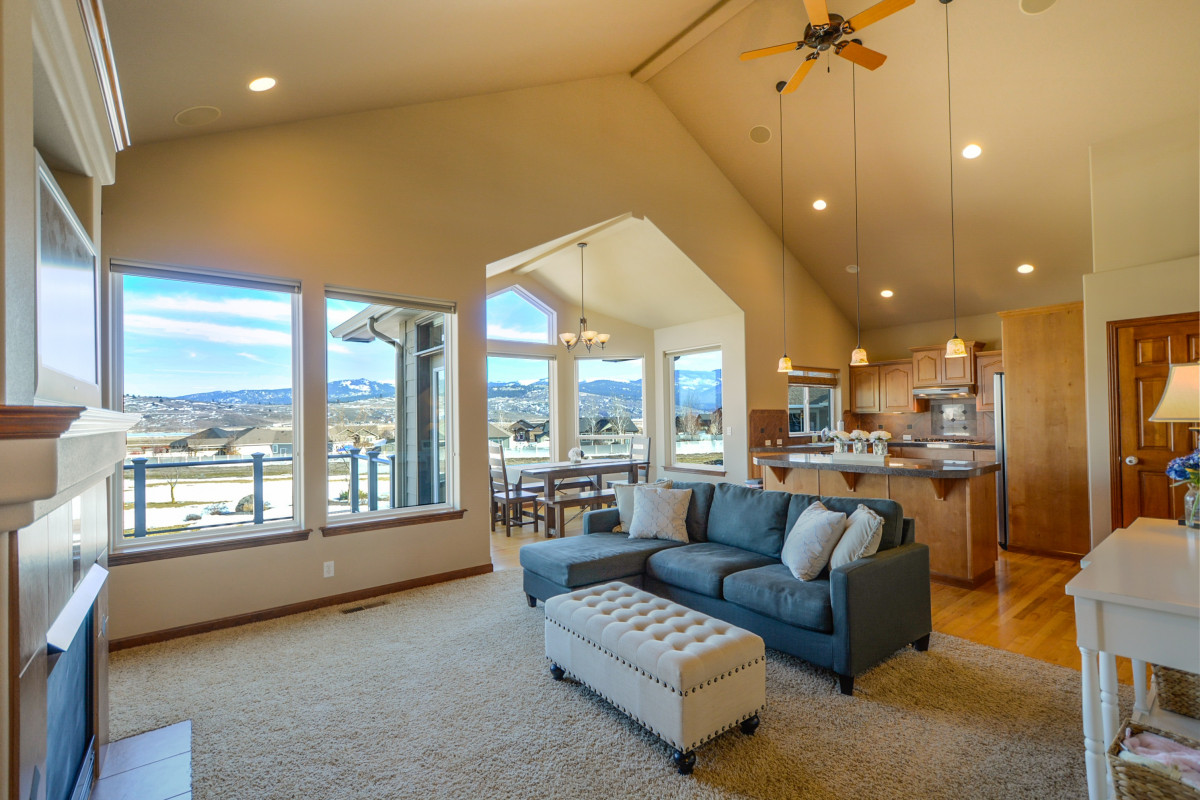
Homeowners insurance is the foundational layer of sound personal finance. The policy systematically manages the profound financial risks associated with property ownership. This is achieved by covering direct damage to the physical Dwelling. It also provides necessary coverage for all personal Contents within the home. Crucially, it provides essential Liability Protection. This shields the homeowner from potentially ruinous lawsuits.
Homeowners must understand the vital difference between Actual Cash Value and superior Replacement Cost Value coverage. They must select the appropriate valuation basis for their assets. It is absolutely necessary to purchase separate coverage for universal exclusions. The major ones are Flood and Earth Movement. Active annual policy management is non-negotiable. This ensures the dwelling limit keeps pace with rising construction costs. Securing the right policy protects years of hard-earned equity. It ensures a family can rebuild and recover financially after any devastating loss.