

The Imperative of Comprehensive Catastrophe Planning
The ownership of property, whether a primary residence or a commercial building, is fundamentally tied to an inherent exposure to significant risk. While standard homeowners insurance offers robust protection against common perils like fire and theft, it harbors significant and often unexpected exclusions when facing the sheer scale of a natural disaster. Events such as major floods, devastating earthquakes, or sustained coastal hurricanes are not merely large-scale accidents.
They are categorized as catastrophic perils by the entire insurance industry. These events carry such a massive, concentrated financial risk that standard carriers universally exclude them from base policies. Failing to understand these crucial exclusions and proactively securing specialized, separate coverage leaves a gaping, dangerous hole in one’s financial security plan.
This critical gap exposes years of accumulated equity to sudden, complete destruction after a major event. Effective property planning, therefore, demands a proactive, layered approach to insurance coverage. This necessary approach ensures financial recovery is possible when nature’s most powerful and unpredictable forces inevitably strike.
Distinguishing Perils and Coverage Types
To secure proper coverage, homeowners must first clearly distinguish between the risks covered by their standard policy. They must also identify those risks that are explicitly and universally excluded from that base contract. The language used in insurance contracts is precise and carries major financial consequences for the homeowner.
A fundamental concept to grasp is the separation between “standard perils” (generally covered losses) and “catastrophic perils” (generally excluded losses).
A. Named Perils vs. Open Perils
Insurance policies specify the covered events using one of two primary approaches in their contract language. These approaches define the overall breadth of protection for the homeowner.
- Named Perils: This policy type only covers losses specifically listed and itemized in the contract document. If a disaster isn’t explicitly on that list, there is absolutely no coverage for the resulting damage.
- Open Perils (All-Risk): This superior policy covers all causes of direct physical loss unless they are explicitly and clearly excluded. This offers much broader and more comprehensive protection for the dwelling structure.
- Standard Exclusions: Even open peril policies always have a long, specific list of major exclusions written into the contract. This list typically includes war, nuclear events, government action, and crucially, certain natural disasters like flood and earth movement.
B. Standard Covered Disasters
While major natural disasters are systematically excluded from coverage, standard homeowners policies do cover a wide array of damage caused by certain destructive natural forces. These covered events are often categorized as wind-related perils.
- Windstorms and Hail: Damage to the roof, siding, windows, and detached structures caused by strong winds or hail is typically covered. This includes damage from tornadoes and most inland thunderstorms.
- Lightning Strikes: Damage caused by a direct lightning strike, including fire or power surges that destroy sensitive electronics, is covered under the standard policy.
- Volcanic Eruption: Damage caused directly by the physical eruption of a volcano, such as resulting lava flow or airborne volcanic ash, is often covered. However, related earth movement (shaking) is universally excluded.
C. The Big Exclusions: The Financial Gaps
The financial risks associated with certain major natural disasters are simply too concentrated and too large for private insurers to bear in a standard, national policy. These specific events must be insured separately with specialized contracts.
- Flood: Defined as damage caused by rising, inundating water from outside the home or overflowing bodies of water. This is the most common and financially devastating uninsured disaster risk for homeowners.
- Earth Movement: Defined as damage caused by the shifting or sinking of the earth beneath the structure. This includes earthquakes, landslides, and natural sinkholes.
- Sewer Backup: While not technically a natural disaster, damage from sewer or drain backup is a common water exclusion often associated with heavy rainstorms. This high-risk peril needs a separate endorsement added to the policy.
Flood Insurance: The Non-Negotiable Coverage
Flood insurance is the single most important separate policy for nearly all homeowners to consider purchasing. The vast majority of flood damage actually occurs outside of formally designated, mapped high-risk zones.
The consequences of being uninsured for flood damage are always catastrophic. The standard homeowners policy will pay zero dollars for the structural water damage.
A. The National Flood Insurance Program (NFIP)
Flood insurance is primarily provided through the federal government’s National Flood Insurance Program (NFIP). This program was created because private insurers largely stopped offering affordable flood coverage decades ago due to high risk.
- Government-Backed: The NFIP is managed by the Federal Emergency Management Agency (FEMA), a government entity. The policies are often purchased from private insurance agents who act as simple intermediaries.
- Required Purchase: Flood insurance is legally required for any homeowner with a mortgage whose property is located within a Special Flood Hazard Area (SFHA). This area is designated as high-risk by official FEMA maps.
- Separate Deductibles: NFIP policies have separate, typically high deductibles for the structure (Building Coverage) and the contents (Contents Coverage). These two deductibles are applied independently to the total loss.
B. What Flood Insurance Actually Covers
NFIP policies divide coverage into two distinct areas, and their limits are often restrictive. Neither NFIP policy area covers the full extent of the damage typically covered by standard homeowners insurance.
- Building Coverage: This covers the insured structure, its foundation, electrical and plumbing systems, and central air/heating systems. The maximum limit for residential homes is typically capped at $250,000.
- Contents Coverage: This covers personal belongings, such as clothing, furniture, and electronics. The maximum contents limit is typically capped at $100,000 for residential homes, often applying only above the first floor.
- Exclusions: Flood insurance specifically excludes temporary structures, landscaping, financial losses (like lost income), and often basements, covering only machinery like furnaces, not finished walls or personal belongings.
C. Private Flood Insurance Market
In recent years, a growing, innovative private market for flood insurance has emerged as an alternative to the NFIP. These policies often offer higher limits and different coverage terms than the government-backed program.
- Higher Limits: Private carriers often offer dwelling and contents limits far exceeding the fixed NFIP caps. This is crucial for high-value homes and luxury properties.
- Optional ALE: Unlike restrictive NFIP policies, private flood insurance often includes Additional Living Expenses (ALE) coverage. This pays for temporary housing if the home is rendered uninhabitable by flood damage.
- Risk Modeling: Private insurers use their own, often more granular and detailed, risk modeling. This can sometimes result in surprisingly lower premiums for homes outside the absolute highest-risk zones than the NFIP offers.
Earth Movement and Seismic Risks
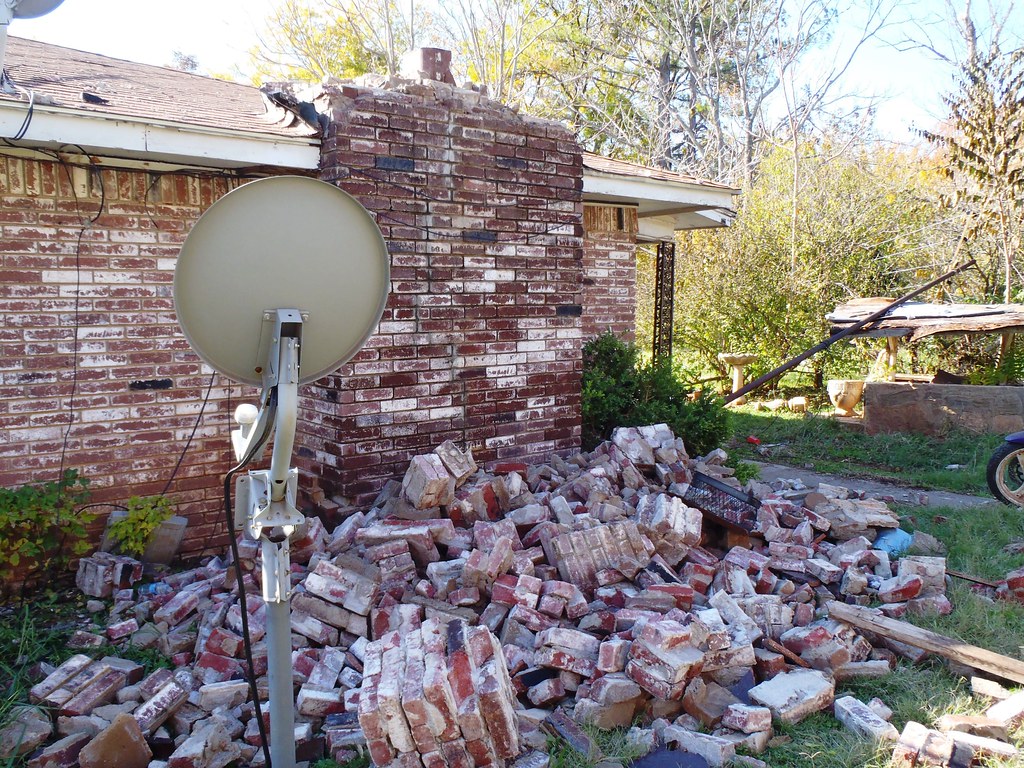
The risk of damaging earth movement, primarily earthquakes, is a major, looming threat in seismic zones across the US. Like flood damage, earthquake damage is completely and explicitly excluded from standard homeowners insurance contracts.
Homeowners in earthquake-prone areas must purchase a dedicated earthquake policy or endorsement. This is necessary to cover this massive potential structural risk.
A. Earthquake Insurance: Structure and Contents
Earthquake insurance is typically purchased as a separate endorsement added to the existing homeowners policy. It covers damage resulting from the ground shaking and movement associated with seismic activity.
- Structural Damage: The policy covers damage to the dwelling and other structures caused by the shaking event. This includes foundation damage, cracked walls, and structural failure of the frame.
- Contents Coverage: It pays to repair or replace personal property damaged during the severe shaking. This includes furniture knocked over, electronics destroyed, and possessions broken by falling debris.
- Fire Following: Damage caused by a fire that starts immediately following the earthquake is usually covered by the homeowners policy’s fire coverage. However, the initial damage from the actual shaking is not.
B. The Unique Earthquake Deductible
Earthquake policies are financially characterized by a unique and typically very high deductible structure. This is often the primary reason homeowners hesitate to purchase the necessary coverage.
- Percentage Deductible: Unlike the fixed dollar deductible in standard insurance, the earthquake deductible is usually a percentage of the dwelling’s insured value. This percentage typically ranges from 10% to 20% of the Coverage A limit.
- High Out-of-Pocket: For a home insured for $500,000, a 15% deductible means the homeowner must pay the first $75,000 of damage out-of-pocket. This payment must be made before the policy pays anything.
- Mitigation: The high deductible serves to strongly discourage small, minor claims from being filed. It focuses the policy’s purpose entirely on protecting against a complete, catastrophic structural loss event.
C. Comprehensive Earth Movement Coverage
Earthquake coverage often needs to be strategically expanded further to cover all related forms of earth movement risk. These other movements can be just as devastating as a major seismic event.
- Landslide/Mudslide: In areas with steep slopes or unstable soil conditions, coverage for landslides or mudslides is crucial. This is often included within the general earth movement endorsement for convenience.
- Sinkholes: Coverage for sinkholes is particularly important in karst regions, such as Florida and parts of the Midwest. This critical coverage is usually available as a specific endorsement, sometimes legally required by state law.
- Tsunami: While caused by an underwater earthquake, damage from the resulting tsunami’s water inundation is technically classified as flood damage. Therefore, it is excluded from earthquake policies and must be covered by flood insurance.
Coastal and Hurricane Risks
In coastal regions, the primary risk is the coordinated attack of multiple perils during a major storm, such as a hurricane. This involves high wind damage, severe wind-driven rain, and devastating storm surge (flood).
Insurance policies in these high-risk areas often separate the wind peril from the water peril. They also impose massive, mandatory deductibles for named storms.
A. The Wind/Hail Exclusion and Deductibles
Many insurers have implemented specialized wind and hail restrictions in coastal policies. This is done to reduce their severe exposure to predictable, large-scale storm losses.
- Percentage Deductible: Homes in coastal counties often have a separate, mandatory deductible specifically for hurricane or named-storm wind events. This deductible is a percentage (e.g., 2% to 5%) of the main Coverage A limit.
- Higher Out-of-Pocket: For a $500,000 home with a 5% hurricane deductible, the homeowner must pay the first $25,000 in wind damage costs. This financial burden makes small claims impractical and costly to file.
- Wind-Driven Rain: Damage caused by rain that enters the home through a breach in the structure (e.g., a hole caused by wind) is covered. Water damage from rain entering through an open or failed window is typically not covered due to the owner’s failure to mitigate.
B. Fair Access to Insurance Requirements (FAIR) Plans
When standard private insurers retreat from high-risk coastal zones due to excessive catastrophe risk, state-run programs step in. These programs act as the insurer of last resort for the general public.
- State-Run Pools: FAIR Plans (and specific coastal plans like Beach Plans) are established by state governments. They provide basic property insurance to owners who cannot obtain coverage in the voluntary, private market.
- Basic Coverage: These plans often provide only minimum, basic coverage limits and may not include all the specialized endorsements found in private policies. They serve only as a safety net to ensure some level of coverage is available.
- Higher Premiums: Because these plans cover only high-risk properties, the premiums charged are often significantly higher. They are more expensive than those charged in the standard market for comparable coverage.
C. The Catastrophic Peril Dilemma
The major challenge in a hurricane zone is the difficulty in determining the definitive Cause of Loss. This is crucial when the wind and flood perils are insured by two different companies, as is often the case.
- Adjuster Dispute: After a massive storm, disputes often arise between the wind insurer (homeowners policy) and the flood insurer (NFIP or private carrier). Each may argue the damage was caused by the other’s covered peril.
- Burden of Proof: The homeowner legally bears the burden of proving the precise cause of damage. This often requires hiring an independent engineer or public adjuster to assess the watermark lines and structural failure patterns.
- Importance of Documentation: Homeowners must extensively photograph the damage and any debris immediately after the storm. This thorough documentation is critical for clearly differentiating wind damage (covered) from flood damage (excluded from the base policy).
Risk Mitigation and Financial Planning
For natural disaster coverage to be truly effective, it must be proactively supported by dedicated risk mitigation efforts by the homeowner. These efforts reduce the likelihood of damage and the ultimate severity of losses.
Furthermore, the homeowner must financially plan for the massive out-of-pocket costs associated with high deductibles and strict coverage limits.
A. Structural Mitigation and Loss Reduction
Investing in simple, strategic structural improvements can both reduce the risk of catastrophic damage and potentially earn significant discounts on insurance premiums.
- Hurricane Clips/Straps: Installing strong metal fasteners to secure the roof structure to the walls significantly reduces the likelihood of roof separation during high winds. This often qualifies for insurance discounts.
- Water Sensors: Placing simple water leak detection sensors near appliances and plumbing can provide early warning of bursts or leaks. This prevents minor water damage from escalating into a major mold claim.
- Foundation Vents (Flood): In flood-prone areas, installing engineered flood vents in the foundation allows flood water to flow freely through the structure. This reduces dangerous hydrostatic pressure on the walls and lowers flood insurance premiums.
B. The Financial Reality of High Deductibles
The high percentage deductibles for earthquake and hurricane policies are a fundamental, non-negotiable feature of catastrophe insurance. Homeowners must financially prepare for this major responsibility.
- Emergency Fund: Homeowners in high-risk zones should maintain a dedicated, liquid emergency fund that is equal to their highest possible catastrophe deductible. This ensures immediate access to funds after a disaster.
- Deductible Buy-Down: In some private markets, homeowners can choose to pay a higher annual premium to “buy down” the deductible percentage. This reduces the ultimate out-of-pocket cost during a crisis.
- Claims History: Homeowners must strictly avoid filing small, non-catastrophic claims (e.g., minor hail damage) with their standard policy. A clean claims history is critical for maintaining access to affordable disaster coverage.
C. Valuation for Catastrophe Recovery
The entire disaster recovery plan hinges on the initial valuation of the property for insurance purposes. Replacement Cost Value (RCV) is the only acceptable financial standard for structures.
- RCV Basis: All dwelling coverage limits must be set based on the RCV of the structure. This amount is the cost to rebuild today, which is almost always higher than the home’s current market value.
- Guaranteed Replacement Cost: The best possible coverage is a Guaranteed Replacement Cost endorsement. This pays the full cost of rebuilding, even if the final cost exceeds the policy’s stated limit due to massive material and labor price spikes after a widespread disaster.
- Avoid ACV Trap: Never rely on Actual Cash Value (ACV) for structural coverage in disaster-prone areas. The depreciation deduction would leave a massive, unmanageable gap between the claim payout and the final rebuilding cost.
Conclusion

Understanding property coverage for natural disasters is essential for financial stability. Standard homeowners policies explicitly exclude catastrophic perils. The two most critical exclusions are Flood and Earth Movement. Flood coverage must be purchased separately through the NFIP or a private carrier. Earthquake coverage is obtained via a specific, specialized Endorsement or policy.
High-risk zones, such as coastal areas, often impose large Percentage Deductibles. This requires homeowners to maintain a substantial Emergency Fund. The homeowner must prove the exact Cause of Loss after a storm. This is vital when separate wind and flood policies are involved. Proactive Risk Mitigation reduces damage severity and may lower premiums. All coverage must be based on Replacement Cost Value. This ensures full financial recovery after a disaster.